
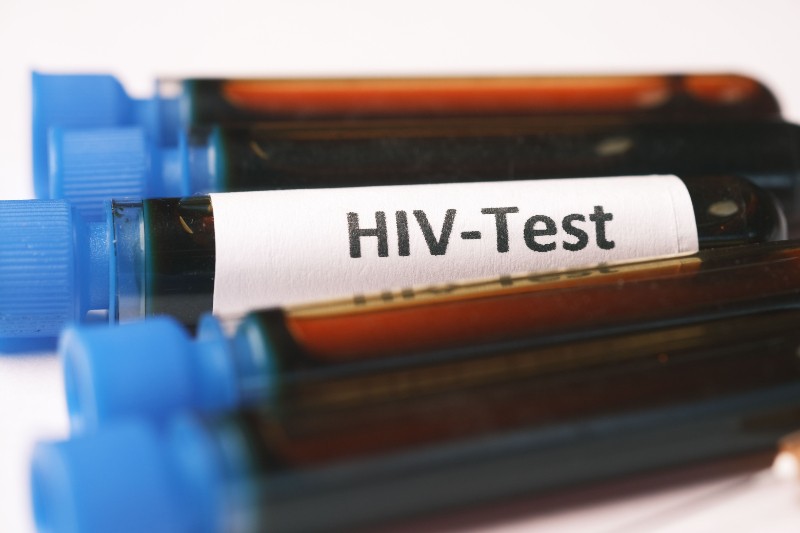
The state government plans to organise Integrated Health Camps (IHCs) across engineering and degree colleges, covering government, aided and private institutions.
The move follows a recommendation from the Karnataka State AIDS Prevention Society (KSAPS), with Visvesvaraya Technological University (VTU) and the Department of Collegiate Education involved in taking the programme forward.
The campus-based initiative is aimed at improving awareness, encouraging early diagnosis and connecting people who test positive with treatment services. Importantly, the testing itself will remain voluntary and will take place only after informed consent.
Recent reporting by Onmanorama also noted the sharp increase in HIV-positive people aged 18 to 35 in Karnataka, reinforcing the concern around younger age groups.
Why Karnataka is taking HIV testing to colleges
The decision comes against the backdrop of a substantial HIV burden in Karnataka and a rise in infections among younger age groups.
According to data cited from the National AIDS Control Organisation's (NACO) Sankalak: Status of National AIDS & STD Response 2024, Karnataka has the third-highest number of people living with HIV in India.
Around 2.60 lakh people are estimated to be living with HIV in the state, while approximately 2.05 lakh are receiving antiretroviral therapy (ART).
Health authorities estimate that around 54,000 people may still be unaware of their HIV status.
That gap between the estimated number of people living with HIV and those receiving treatment has added urgency to efforts aimed at expanding testing and early diagnosis.
Karnataka has also been identified as a priority state for intensified HIV intervention.
In March 2026, the Union government said 27 districts in Karnataka had been identified as high-priority districts under Mission AIDS Suraksha, which seeks to strengthen efforts to bring the HIV epidemic under control.
HIV infections rising among youths
The focus on college students is closely linked to the reported increase in HIV infections among people aged 18 to 35.
KSAPS data cited in recent reports shows that the number of HIV-positive people in this age group rose from around 44,500 in 2023-24 to approximately 66,600 in 2025-26.
Onmanorama reported the same increase, describing it as a sharp rise among younger people in the state.
More than 7,000 people aged between 18 and 25 have recently tested positive, according to figures reported by Deccan Chronicle and cited in subsequent coverage.
The figure has brought particular attention to college campuses, where large numbers of young people can be reached through structured awareness and healthcare programmes.
The data does not mean that all people in the 18-25 age bracket who tested positive are college students.
However, the reported number of young people testing positive has prompted authorities to use higher education institutions as an important setting for expanding awareness and voluntary screening.
Will students be forced to take HIV tests?
Despite reports describing the college camps as mandatory, the HIV tests themselves will not be compulsory for students.
The government intends to make the organisation of awareness, counselling and testing camps part of the programme across colleges, but students will have to provide informed consent before undergoing an HIV test.
The distinction is significant because the initiative is designed around voluntary testing and confidential counselling rather than compulsory screening.
The camps are expected to provide information about HIV, facilitate testing for students who choose to participate and help people who receive a positive result access appropriate healthcare and treatment services.
The approach also seeks to address one of the biggest barriers surrounding HIV testing: people remaining unaware of their status and therefore missing opportunities for early treatment and care.
QR code tool offers confidential HIV risk assessment
Alongside campus-based testing, KSAPS has introduced a QR code-based HIV Self-Risk Assessment Tool to encourage young people to assess their potential risk privately.
Students can scan the QR code and complete a confidential assessment based on their behaviour and possible exposure.
The tool is intended to help users understand whether they may need an HIV test and guide them towards appropriate healthcare services when necessary.
The initiative is designed to make the first step towards testing less intimidating, particularly for young people who may hesitate to visit a healthcare facility directly.
Recent coverage has also reported the use of a digital platform accessed through QR codes for confidential HIV risk assessment, allowing users to complete the process on their smartphones without having to download an app from an application store.
What is the '95-95-99' target?
The college campaign forms part of KSAPS' wider Mobilisation for AIDS Suraksha initiative, which aims to strengthen HIV awareness, testing, treatment linkage and viral suppression.
Under the programme's stated '95-95-99' target, the focus is on ensuring that 95 percent of people living with HIV know their status, that those diagnosed are connected to treatment, and that 99 percent viral suppression is achieved.
The strategy places early diagnosis at the centre of HIV control because people who know their status can be linked to appropriate treatment and care.
Expanding voluntary testing to colleges therefore gives health authorities a way to reach a large young population while combining screening with counselling and awareness.
The Karnataka initiative comes as the Centre is also intensifying its broader Mission AIDS Suraksha programme.
NACO has set December 1, 2027, as the target for achieving HIV epidemic control in India, while the national programme continues to work towards ending AIDS as a public health threat by 2030.