
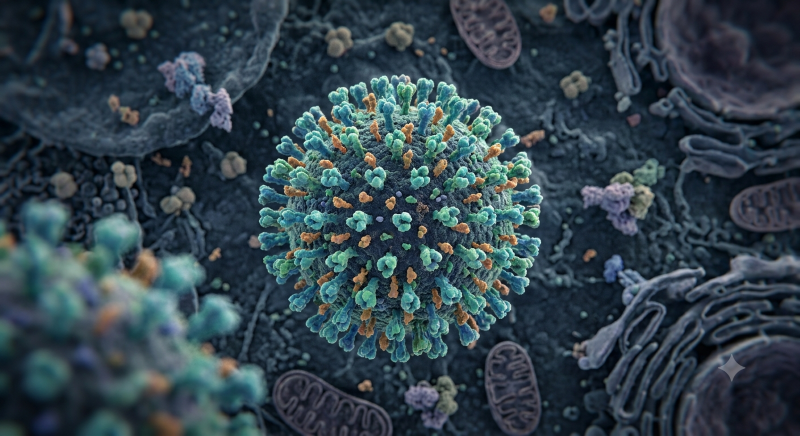
The virus was previously known to affect animals, primarily livestock.
WHO Director-General Tedros Adhanom Ghebreyesus said the patient, reportedly in his 60s, was immunocompromised and therefore more vulnerable to infection and severe disease.
"Unfortunately died," Tedros said, referring to the patient's death.
Shamonda virus primarily affects animals such as cattle, sheep, goats and horses. It is believed to spread among animals through the bites of midges, small fly-like insects.
"Further studies are needed to fully understand transmission," the WHO said.
#France has reported the first documented case of a human infection with #Shamonda virus, a virus only previously detected in animals. The patient was immunocompromised, which made them more vulnerable to infection and severe disease, and unfortunately died. My heartfelt condolences to their loved ones. Shamonda virus primarily affects animals such as cattle, sheep, goats and horses. The virus is thought to spread between animals by the bites of a midge, which is a small fly-like insect. Further studies are needed to fully understand transmission. The French patient was in an area where the Shamonda virus was circulating in animals and where Culicoides midges were also present. @WHO is in contact with French authorities who are collecting information to better understand the source of infection in the first human patient, possible routes of transmission and any potential risk to public health.
— Tedros Adhanom Ghebreyesus (@DrTedros) October 22, 2026
What is Shamonda virus?
Shamonda virus (SHAV) belongs to the Orthobunyavirus genus and the Simbu group of viruses. It was first isolated from cattle in Nigeria in 1965.
The virus is primarily associated with animal infections, particularly in livestock. Its potential to infect humans and the implications of the newly reported case require further investigation.
How does Shamonda virus spread?
The virus is understood to spread mainly through the bites of Culicoides biting midges, tiny blood-sucking insects that can transmit pathogens between animals.
However, the precise transmission route in the reported human case has not been established, and further studies are needed to understand how the infection occurred.
Is there a vaccine?
There is currently no commercially available vaccine for Shamonda virus.
The first reported human case has drawn attention to the need for further research into the virus, including its potential to infect humans, transmission pathways and associated health risks.