
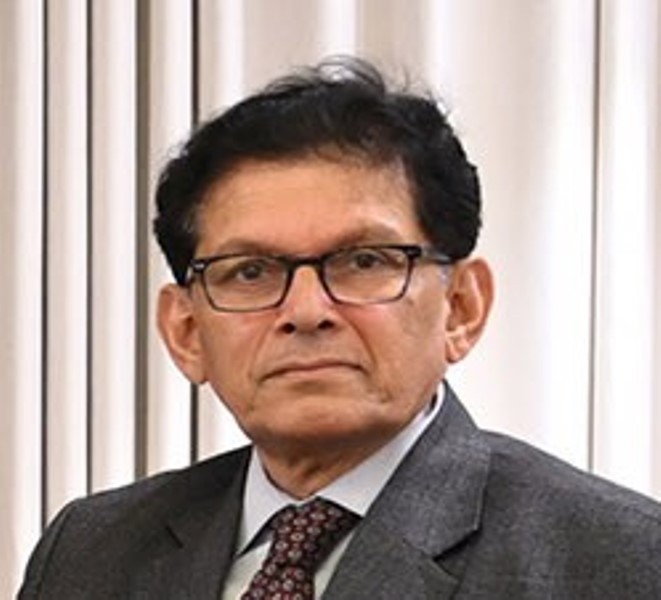
NSA Ajit Doval will chair the meeting, which will also see Seychelles joining as an Observer State, while Malaysia has been invited as a Guest. Bangladesh’s NSA Khalilur Rahman has already arrived in New Delhi for the discussions.
Rahman’s visit comes at a sensitive time, days after former Bangladesh Prime Minister Sheikh Hasina was handed a death sentence by the International Crimes Tribunal (ICT) in connection with violence during the July–August 2024 student uprising. Hasina, 78, who fled to India on August 5, 2024 amid mass protests, was convicted on three counts following a month-long trial.
The tribunal also awarded the death penalty to former Home Minister Asaduzzaman Khan Kamal, while former police chief Chowdhury Abdullah Al-Mamun, who turned state witness, received a five-year sentence. The court ordered the confiscation of the properties of Hasina and Kamal in favour of the state.
Following the verdict, Bangladesh’s foreign ministry formally requested India to extradite Hasina, referring to the bilateral treaty and stating New Delhi had an “obligatory responsibility” to facilitate her return.
Responding to the development, the MEA said India had “noted the verdict” and reiterated its commitment to “the best interests of the people of Bangladesh, including in peace, democracy, inclusion and stability.” The statement added that India would continue to engage constructively with all stakeholders.
The previous meeting of CSC NSAs was held in Mauritius in December 2023, followed by a signing ceremony for the founding documents in Sri Lanka in August 2024. Deputy NSAs have also been meeting regularly, most recently in a virtual format in July 2024.
Formed to deepen regional cooperation in the Indian Ocean region, the CSC focuses on maritime security, counterterrorism, combating transnational crime, cybersecurity, critical infrastructure protection, and disaster relief. Thursday’s meeting will review progress across these areas and discuss the Roadmap and Action Plan for 2026.