
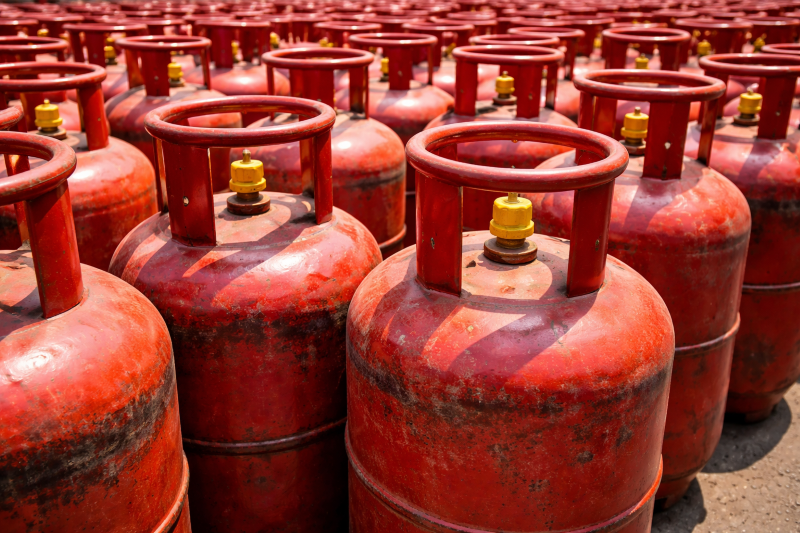
With nearly 60% import dependence for LPG and heavy reliance on shipments through the Strait of Hormuz, the government moved quickly to safeguard supply chains.
Measures included boosting domestic production and diversifying imports across multiple regions to reduce risk.
Massive nationwide distribution effort
The Ministry of Petroleum and Natural Gas said LPG distribution continues at scale:
- Over 18 crore cylinders delivered since March 1, 2026
- More than 60 lakh cylinders supplied daily
- Average delivery time of around three days
- Localised Delays, Not Systemic Issues
Authorities acknowledged that some consumers have faced delays in cylinder deliveries.
However, these have been described as temporary and localised, caused by demand spikes and last-mile logistical challenges.
Steps are being taken to streamline distribution, improve timelines, and strengthen on-ground monitoring.
No major disruptions, monitoring continues
The government emphasised that there have been no widespread supply disruptions, with LPG availability remaining stable across distributorships.
Close coordination with Oil Marketing Companies (OMCs) is helping ensure smooth and responsive operations.
Efforts are also underway to shield consumers from global price volatility. The impact on households—especially beneficiaries of the Pradhan Mantri Ujjwala Yojana—has been kept limited.
At a time when many countries are facing fuel shortages, India’s ability to sustain LPG supply while protecting consumers highlights the resilience and adaptability of its energy ecosystem.