
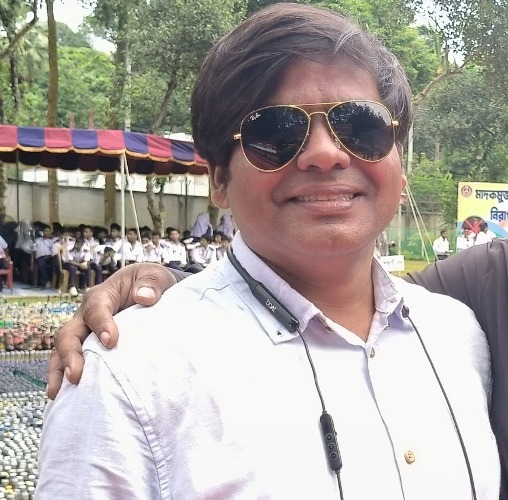
A series of allegations surrounding the frequent visits of Bangladeshi journalist Mohiuddin Mishu to Tripura has sparked demands for a comprehensive investigation into his activities, including his visa status, cross-border movements, customs compliance and interactions with various individuals and institutions.
Tripura, which shares a long and strategically significant international border with Bangladesh, is considered one of India's most sensitive frontier states. Given its geographical and security importance, authorities are expected to closely monitor the purpose of foreign nationals visiting the state and ensure compliance with Indian laws and visa regulations.
Mohiuddin Mishu, who is reportedly associated with the Bangladeshi newspaper “Daily Jugantor”, has come under scrutiny following allegations that he frequently enters India on a tourist visa while allegedly engaging in journalistic activities during his stay. Complainants argue that such activities, if carried out on a tourist visa, warrant verification by the concerned authorities regarding the nature of his visa and the actual purpose of his visits.
Another issue raised relates to Mishu's reporting during the devastating floods that affected Tripura and parts of Bangladesh in August. According to the allegations, one of his reports attributed the flooding caused by the swelling Howrah River to the alleged intentional release of water from the Dumboor reservoir. Critics have questioned the factual basis of that report, arguing that inaccurate reporting on such a sensitive issue could create public confusion, fuel anti-India sentiment and adversely affect bilateral relations between the two neighbouring countries. They have called for an examination of the sources and factual accuracy of the report.
The allegations also refer to criminal cases reportedly pending against Mishu in Bangladesh. According to the complainants, his name appears in an FIR registered at Airport police station under the Dhaka Metropolitan Police in July 2025, involving charges under Sections 143, 147, 148, 323, 326, 307, 109 and 34 of the Bangladesh Penal Code. They contend that while the existence of pending cases does not establish guilt, the judicial status of those cases and any court findings should be independently verified by the relevant authorities.
One of the more serious allegations concerns the alleged misuse of the identity of the Assistant High Commission of Bangladesh in Agartala to transport goods across the international border. According to the complainants, Mishu regularly carries goods beyond the permissible limit and allegedly avails customs exemptions by using such official identification. If established, they argue, the matter could involve not only violations of customs regulations but also the possible misuse of official or diplomatic credentials.
The complainants have urged the Indian Customs Department to examine records relating to his cross-border movements, declarations of goods, customs exemptions and the legality of any official identification used while transporting goods. They argue that any irregularity, if proven, could also have implications for government revenue.
Further allegations claim that Mishu maintains contacts with individuals associated with Jamaat-linked circles and regularly interacts with certain officials of the Assistant High Commission of Bangladesh in Agartala. It has also been alleged that he gathers information in Tripura regarding the possible return of Awami League leaders to Bangladesh and their political movements. The complainants have urged authorities to determine whether any such information has been shared with political organisations or other entities.
However, they also acknowledge that maintaining political contacts or meeting officials does not, by itself, constitute any wrongdoing. They emphasize that only an impartial investigation can determine the nature and purpose of such interactions.
Another allegation relates to Mishu's reported presence at the Akhaura Integrated Check Post, where he is accused of playing a role in the alleged harassment of tourists travelling between India and Bangladesh. According to the complainants, tourists have faced difficulties allegedly caused through influence over local police, followed by attempts at intimidation or blackmail. They have suggested that any investigation should include statements from affected tourists, written complaints, police records and CCTV footage from the check post.
Those raising the allegations argue that the issue is not about restricting press freedom but about ensuring that a foreign national visiting India complies with visa conditions, customs regulations and other applicable laws. They maintain that any allegations regarding misuse of official identity, irregular movement of goods or activities inconsistent with visa conditions should be objectively verified through due process.
Accordingly, they have urged the Ministry of Home Affairs, Ministry of External Affairs, Indian security agencies, the Customs Department and the Tripura Government to examine Mishu's visa records, the purpose of his visits, his activities in Tripura, his cross-border movement of goods and the nature of the contacts mentioned in the allegations.
They have further stressed that if any violation is established after due investigation, action should be taken strictly in accordance with the law. At the same time, they emphasize that allegations alone cannot be treated as proof of guilt and that no individual should be presumed guilty without a fair and impartial investigation.
According to the complainants, considering the sensitivity of border security, national interests and India-Bangladesh relations, a transparent and independent inquiry into the allegations surrounding Mohiuddin Mishu's activities in Tripura is both necessary and in the larger public interest.