

According to the report, al-Hammami tried to take control of the aircraft during the alleged cockpit attack.
Machchhar, who was flying the aircraft, managed to prevent the alleged crash attempt and retain control of the plane.
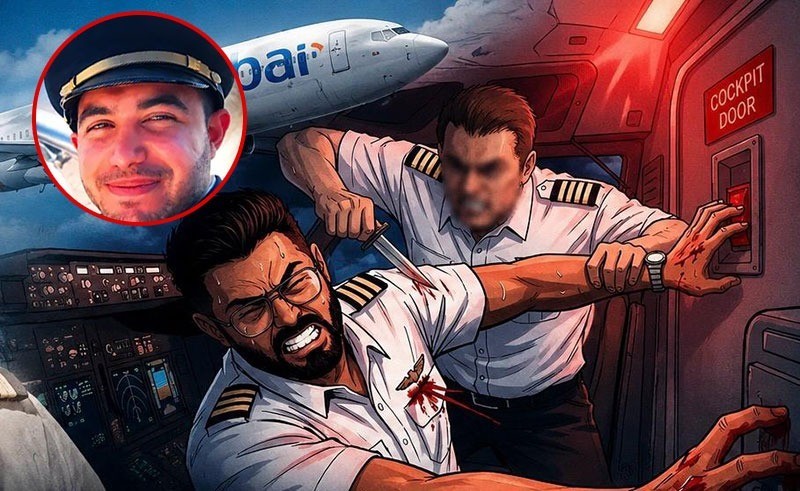 Omani co-pilot Hamam al-Hammami allegedly tried to crash the flydubai plane. (AI Photo)
What is a cockpit crash axe?
A crash axe is mandatory equipment on commercial passenger aircraft under aviation safety regulations and is kept inside the cockpit for use during emergencies.
The tool can be used by crew members to cut through materials or access parts of the aircraft in an emergency.
Crash axes were historically stored in different locations on aircraft, including the cabin. Following the September 11, 2001 terror attacks in the United States, aviation security measures were significantly tightened, and crash axes were subsequently kept in secured cockpit locations to prevent unauthorised access.
The latest revelation has added another detail to the investigation into the alleged cockpit attack aboard the flydubai flight.
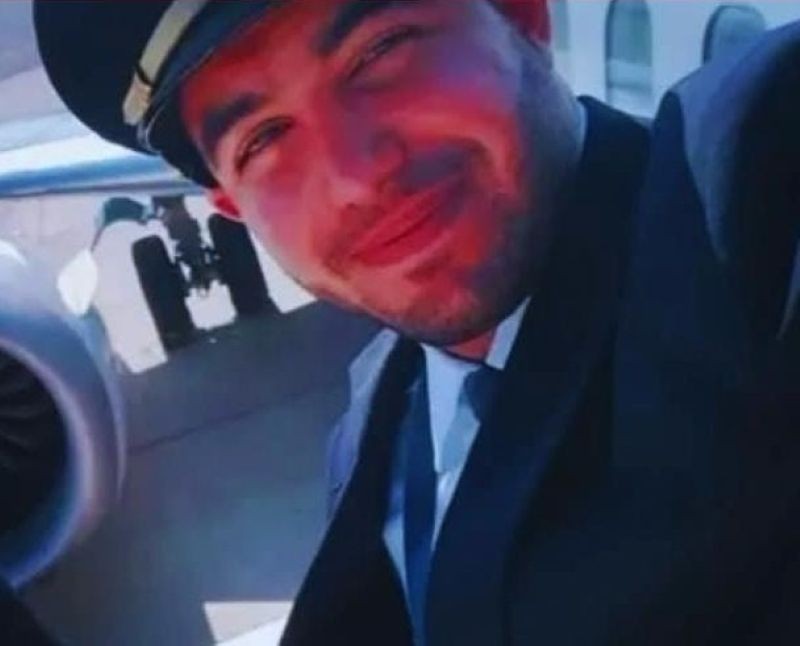 Omani co-pilot Hamamaal-Hammami. Photo: Screen-grab
What happened aboard flydubai Flight FZ1073?
The incident took place on September 30 aboard flydubai Flight FZ1073, which was flying from Dubai to Tel Aviv.
Indian Captain Smit Machchhar was allegedly attacked by his Omani co-pilot inside the cockpit during the flight.
Machchhar sustained serious injuries in the alleged attack but managed to retain control of the aircraft. He was later evacuated for medical treatment as authorities began investigating the incident.
According to reports, the aircraft had nearly 180 people on board when the alleged attack took place.
Machchhar later spoke about the ordeal, including his efforts to prevent the aircraft from being brought down.
He told Indian Prime Minister Narendra Modi that he recited the Hanuman Chalisa during the cockpit struggle as he sought courage to deal with the situation.
Machchhar was subsequently airlifted to Abu Dhabi for further medical treatment and was reported to be in stable condition.
The investigation is now focusing not only on what happened inside the cockpit but also on al-Hammami's background, his previous aviation employment and the security concerns reportedly identified during his training.
The latest revelations have therefore raised questions about whether information concerning al-Hammami was adequately assessed and communicated before he was allowed to take up another flying role.