
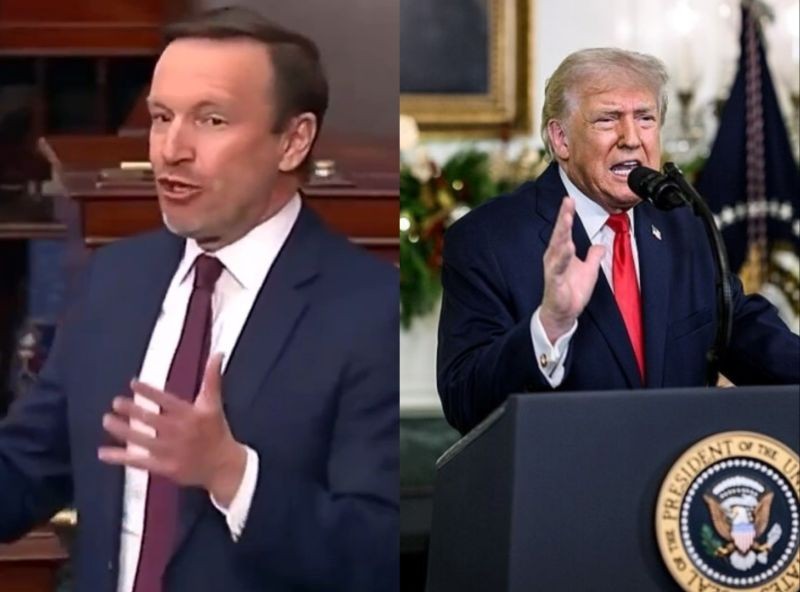
Murphy argued that the strategic waterway was functioning before the conflict began, calling the situation a “self-inflicted crisis” leading to American casualties, massive expenditure, and global economic disruption.
“The strait was open before the war began… This is insanity,” he said.
BREAKING : 🇺🇸 Trump’s own Senator gave him brutal reality check
— Ankit Mayank (@mr_mayank) March 25, 2026
Trump — We need $2 billion a day to reopen the Strait of Hormuz
US Senator — But the SOH was already open before the war? So what was the point of whole war?
You have created a Global Crisis OUT OF NOTHING” 🔥🔥🔥 pic.twitter.com/JE72WcbHzj
Iran imposes $2 million transit fee
Amid escalating tensions, Iran has begun charging select vessels up to $2 million to pass through the Strait of Hormuz, according to Iranian lawmaker Alaeddin Boroujerdi.
The move marks a significant shift in control over the crucial shipping route, which carries roughly one-fifth of the world’s oil supply. Boroujerdi described the toll as a reflection of Iran’s “authority” and a response to the costs of war.
Rising tensions and global impact
The conflict intensified as Israel launched a fresh wave of strikes on Iran, warning that operations would “escalate and expand.”
Meanwhile, US President Donald Trump said talks to resolve the crisis were progressing and extended a deadline for Iran to reopen the strait to April 6.
Despite this, Tehran has denied engaging in negotiations and has instead proposed its own conditions, including reparations and recognition of its sovereignty over the waterway.
With global markets under pressure and energy supplies at risk, the standoff over the Strait of Hormuz continues to have far-reaching economic and geopolitical consequences.