
The 6-3 decision, authored by conservative Chief Justice John Roberts, held that Trump had exceeded his authority by imposing tariffs under the International Emergency Economic Powers Act (IEEPA).
The Court emphasized that only Congress has the constitutional power to levy taxes and tariffs, noting that IEEPA was intended for national emergencies, not routine trade policy.
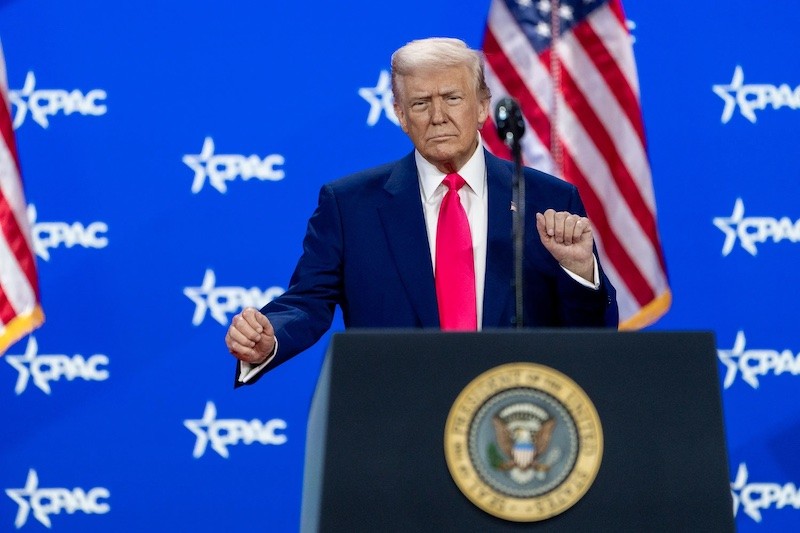
Trump, speaking to reporters, described the ruling as “a disaster for US workers” and insisted that his tariffs were vital to addressing trade deficits and protecting American industries.
He also suggested that his administration may explore alternative ways to implement tariffs despite the setback.
The Supreme Court’s three liberal justices joined three conservatives in the majority, while Justices Brett Kavanaugh, Clarence Thomas, and Samuel Alito dissented.
Trump’s tariffs had already generated more than $133 billion in revenue for the Treasury, with potential long-term economic costs estimated at $3 trillion over the next decade, media reports said.
Companies such as Costco have already lined up in court to seek refunds, highlighting the immediate legal and financial consequences of the ruling.
Analysts say the decision underscores the limits of presidential authority in economic policy and reinforces Congress’s exclusive role in taxation and trade legislation.