
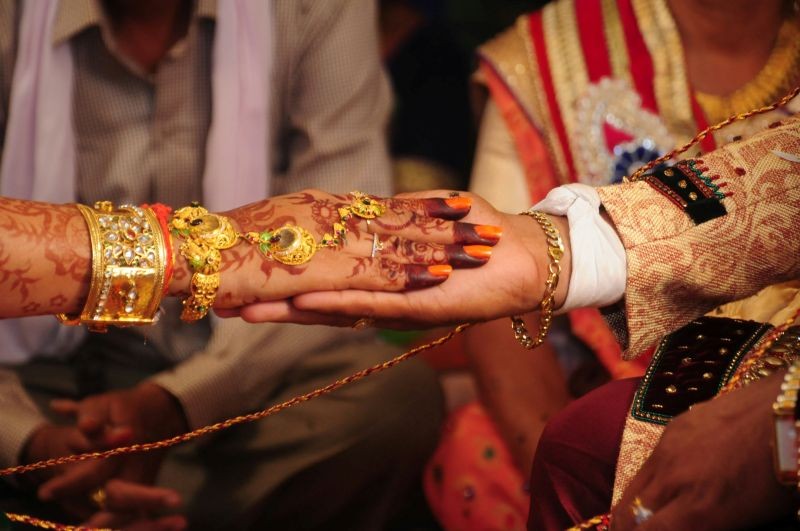
The issue came to light after an X user, Pooja, shared the situation of her brother, who reportedly received ₹10 lakh in cash as wedding gifts.
Pooja said her brother, who works in a government job, was now concerned about how the Income Tax Department would treat the amount.
My cousin, who works in a government job, received ₹10 lakh in CASH as wedding gifts,
— Pooja (@poojaofficial5) September 28, 2026
but now he is worried about how the Income Tax Department will look at it.
Around 110 people gave cash gifts at his wedding.
Some gave ₹500, some ₹2,000,
while a few gave as much as…
She wrote on X: “My cousin, who works in a government job, received ₹10 lakh in CASH as wedding gifts, but now he is worried about how the Income Tax Department will look at it.”
According to Pooja, the wedding was attended by around 110 guests, who gave gifts ranging from ₹500 to as much as ₹50,000.
“Altogether, he received around ₹10 lakh in cash,” she said.
The post quickly drew attention from social media users, with several people weighing in on the tax implications of wedding gifts.
One user claimed that wedding gifts received by the bride or groom are fully exempt under Section 56 of the Income Tax Act, with no monetary limit, irrespective of whether the gift is received in cash or in the form of gold jewellery, and whether it comes from relatives or non-relatives.
The user, however, added that the recipient should be careful about cash and valuables received from individual donors and suggested maintaining a record of the 110 guests who gave the gifts.
Another X user raised a practical concern over handling such a large amount of cash.
“If it is theoretically true, you might have the answers. Practically, it is a gift but huge one, so where should you keep it? You could invest it in arbitrage rather than in an FD or anywhere else,” the user commented.
A third user suggested depositing the money into different family members’ accounts or the recipient’s own account over a period of time, while also suggesting using cash for certain expenses instead of making digital payments.
The discussion has brought renewed attention to the tax rules governing wedding gifts and the importance of maintaining proper records and documentation for large cash transactions.