
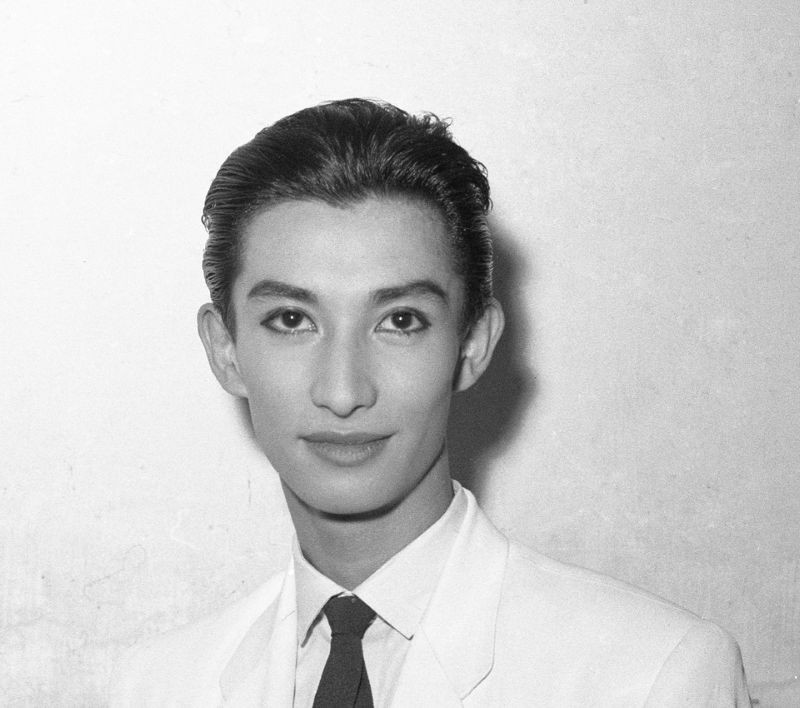
Miwa passed away from natural causes on June 20, his management agency announced on Sunday, according to The Japan Times.
In keeping with his wishes, a private funeral was held in the presence of close friends and family. No public memorial service has been announced.
Born in Nagasaki, Miwa moved to Tokyo in 1952 and began his career as a professional cabaret singer at the age of 17 in the city's famed Ginza district. Performing French chansons by artists such as Édith Piaf, Yvette Guilbert and Marie Dubas in nightclubs, he quickly established himself as a distinctive performer.
His breakthrough came in 1957 with the hit song Me Que Me Que, while Yoitomake no Uta later became one of his most celebrated works.
Beyond music, Miwa built a distinguished acting career in film and theatre. He made his film debut in Fūryū Kokkei-tan: Sennin Buraku (1961) under his real name and went on to appear in Aomori-ken no Semushi Otoko (1967).
Also Read: 'Can't believe what it's doing': 'Obsession' director Curry Barker stunned by India's love for the film
In 1968, Miwa starred in Black Lizard, directed by Kinji Fukasaku and based on Yukio Mishima's stage adaptation of Edogawa Rampo's novel. He also composed the film's theme song. Mishima made a memorable cameo appearance in the film as an embalmed corpse. The following year, Miwa reunited with Fukasaku for Black Rose Mansion.
In later years, Miwa gained international recognition as a voice actor, lending his voice to memorable characters in Hayao Miyazaki's acclaimed animated films Princess Mononoke and Howl's Moving Castle. He also appeared in Takeshi Kitano's 2005 film Takeshis'.
In 2007, Miwa portrayed Empress Elisabeth ("Sisi") in Jean Cocteau's play L'aigle à deux têtes at Tokyo's Parco Theatre in Shibuya. Two years later, he voiced the legendary Pokémon Arceus in Pokémon: Arceus and the Jewel of Life.
From 2005 to 2010, Miwa co-hosted the popular Japanese television programme Ōra no Izumi ("The Spring of Aura") alongside spiritual counsellor Hiroyuki Ehara and Taichi Kokubun of the band Tokio.
Widely regarded as one of Japan's most influential entertainers, Miwa leaves behind a remarkable legacy spanning music, film, television and theatre.