
The rights office, OHCHR, interviewed 314 witnesses who left the DPRK – more commonly known as North Korea – and consulted with several organizations and experts to evaluate the human rights conditions there since 2014.
The situation has not improved, and in many cases has worsened, “bringing even more suffering to the population,” said Spokesperson Liz Throssell, briefing journalists in Geneva.
James Heenan, head of the office working on DPRK, highlighted the severity of the human rights violations, where even a minor offence can result in punishment.
Killed for sharing shows online
“We do have credible evidence that individuals have been executed – not just for watching K-dramas. The crime is for distributing at a certain level, foreign information, foreign media,” he said.
The report found that new laws, policies and practices have been leading to increased surveillance and control over citizens, some of whom have ended up in forced labour camps, as political prisoners.
Working in ‘shock brigades’
In a form of forced labour called “shock brigades,” Authorities in Pyongyang have reportedly used thousands of orphans and street children to work in coal mines and other environments, exposing them to hazardous materials and long working hours, the UN report said.
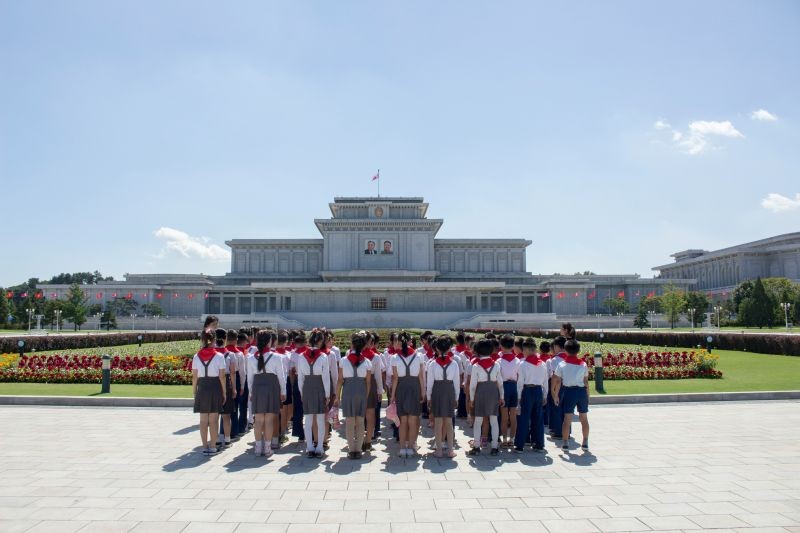
Heenan further added that school children are also used to do “backbreaking” work collecting harvests and while they were supposed to be in class.
“The Government says that this is sort of a curriculum to help them learn life skills. But the information we've had for many years now is that it meets the qualification of forced labour because the children have no choice,” he said.
The physically demanding and dangerous work of the brigades is also undertaken by people in the military or prison system, as well as by workers from mainly poor families who wish to become party members or improve their social status.
Deaths are reportedly frequent under these conditions but rather than increasing safety measures, the DPRK publicly glorifies deaths as a sacrifice to the leader, according to the report.
Death penalty widely used
In 2014 and 2015, many senior officials were reportedly executed for “anti-State acts,” the report says.
While this trend later decreased, escapees said that from 2020, execution has been used for the distribution of unauthorized media, drugs and economic crimes, prostitution, pornography, trafficking and murder.
Since 2015, there have been six new laws allowing the use of the death penalty for offenses such as a vaguely defined “anti-state” propaganda.
Interviewees said they also witnessed public executions over the last decade. The report explains that the government has organised public trials and executions to instil fear in the population and as a deterrent.
“To block the people’s eyes and ears, they strengthened the crackdowns,” one of the witnesses told OHCHR.
Not enough progress
Escapees expressed that some improvements had been made in the treatment of people in detention facilities. North Korea has also ratified two more human rights treaties, but the report ultimately concludes that it is far from adhering to its obligations under international law.
The DPRK remains more isolated than any other nation, further adding to the difficulty of monitoring and implementing fair human rights standards.
“What we have witnessed is a lost decade,” said UN human rights chief Volker Türk. “And it pains me to say that if DPRK continues on its current trajectory, the population will be subjected to more of the suffering, brutal repression and fear that they have endured for so long.”